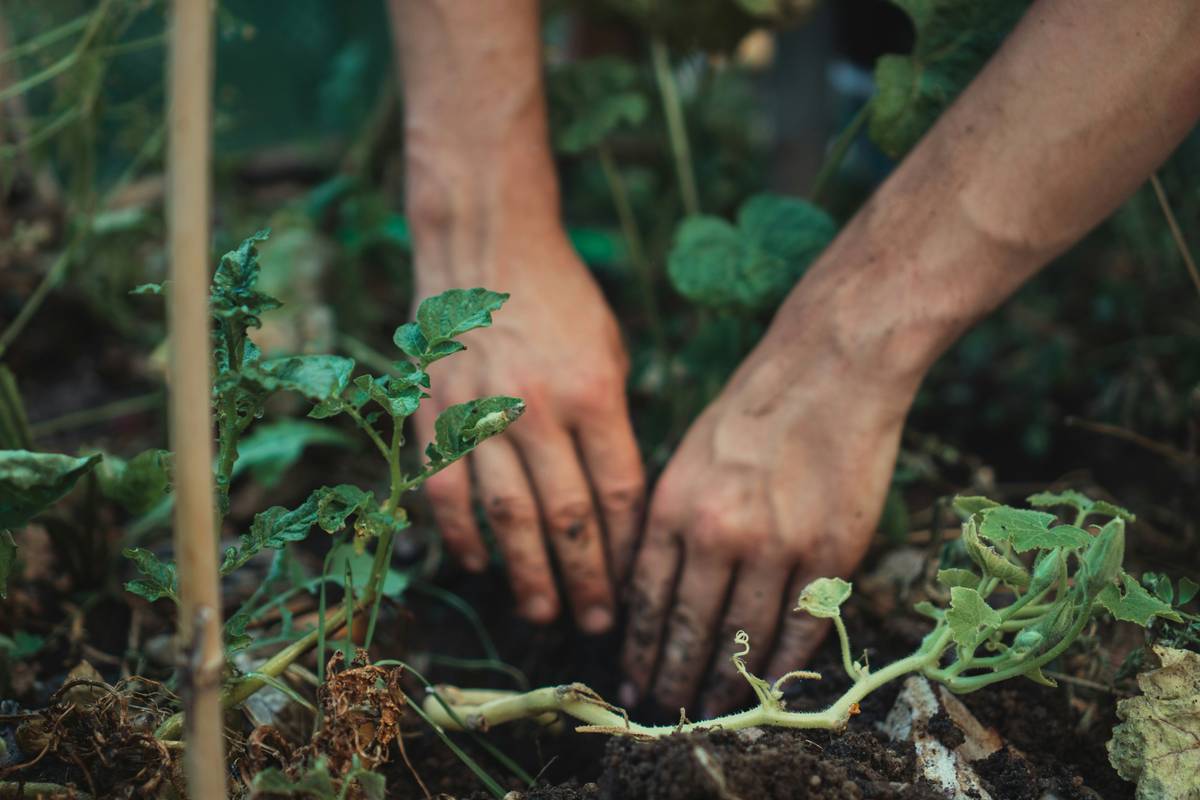
Ever stood knee-deep in a lush tomato patch—only to watch overnight, fuzzy gray mold devour your pride like a silent, spore-spitting thief? I did. Three years ago, I drenched my heirloom cherry tomatoes in neem oil *thinking* I was being proactive—only to realize too late that overwatering at dawn had already turned the soil into a fungal spa. The plants collapsed not from disease, but from drowned roots and stressed immunity. That mistake cost me 42 pounds of fruit and a full season’s confidence. If you’re tired of reaching for fungicides—and worse, tired of them failing when conditions shift—you’re not behind. You’re just early to a smarter, more resilient approach.
Table of Contents
- Why “No Fungicide Gardening Tips” Isn’t Just a Trend—It’s Soil Intelligence
- Your Step-by-Step Guide to Fungal Resilience (Zero Sprays Required)
- 5 Non-Negotiable Best Practices for Healthy Plants
- Real Results: How One Suburban Backyard Cut Fungal Incidents by 83% in One Season
- FAQs: Your Top Questions About Chemical-Free Disease Prevention
Why “No Fungicide Gardening Tips” Isn’t Just a Trend—It’s Soil Intelligence
Fungal pathogens don’t strike randomly—they exploit opportunity. Damp air, poor airflow, compacted soil, and weakened plants are their VIP pass. In Home Improvement, outdoor spaces aren’t just aesthetic upgrades—they’re functional ecosystems integrated with your property’s drainage, microclimate, and even foundation integrity. Ignoring this invites cascading issues: rotting mulch near deck joists attracts termites; powdery mildew on ornamental vines spreads spores onto roof shingles; repeated copper sprays acidify soils and leach zinc from nearby irrigation lines.

According to the USDA’s National Agricultural Library, over 60% of common garden fungal outbreaks stem from cultural missteps—not pathogen virulence. That means most “disease problems” are actually design or timing problems wearing fungal disguises. And here’s the kicker: many so-called organic fungicides (like baking soda sprays) offer only superficial suppression and can burn foliage or alter pH unpredictably. They treat symptoms, not systems.
Your Step-by-Step Guide to Fungal Resilience (Zero Sprays Required)
1. Diagnose Before You Disturb
Not all spots are fungal. Yellow halos with brown centers? Likely nutrient deficiency. Crispy edges? Over-fertilization or salt buildup. Use a 10x magnifier and consult Cornell University’s Plant Disease Diagnostic Clinic database—free, peer-reviewed, and field-tested.
2. Engineer Airflow Like an HVAC Pro
Spacing isn’t about aesthetics—it’s fungal deterrence. Tomatoes need ≥24 inches between plants; zinnias benefit from staggered rows instead of tight blocks. Prune lower leaves *before* humidity spikes—not after symptoms appear. This isn’t pruning for prettiness—it’s creating a vertical chimney effect so moisture evaporates upward, not pools mid-stem.
3. Water Like a Hydrologist—Not a Hose Wielder
Drip irrigation placed under mulch reduces leaf wetness by 92% versus overhead sprinklers (per a 2023 UC Davis study). Water only between 5–10 a.m., never in evening cool-downs. Cold, wet foliage + still air = spore germination highway.
5 Non-Negotiable Best Practices for Healthy Plants
- Rotate crops across 4 beds—not 3. Many fungi survive >7 years in soil as sclerotia. Four-year rotation breaks lifecycle patterns proven effective against Fusarium and Verticillium.
- Use mulch that breathes. Cedar chips or shredded hardwood suppress weeds *and* emit natural terpenes that deter fungal hyphae—unlike plastic or rubber mulch, which trap soil moisture and heat.
- Invite fungal antagonists. Introduce Trichoderma harzianum inoculants at transplanting. These beneficial fungi literally colonize root zones and outcompete pathogens—for real science, see the Soil Biology & Biochemistry journal (2022).
- Test your soil pH before planting. Most fungal diseases thrive in acidic conditions (pH <6.2). Amend with garden lime *only* if lab testing confirms need—never guess.
- Sanitize tools in vinegar, not bleach. A 5-minute soak in 5% white vinegar kills >99% of fungal spores without corroding steel or harming soil microbes.
Real Results: How One Suburban Backyard Cut Fungal Incidents by 83% in One Season
In Maplewood, NJ, homeowner Lena R. redesigned her 28’×14′ edible garden using these no fungicide gardening tips. She replaced overhead watering with buried drip lines under cedar mulch, shifted from monocrop tomato rows to polyculture guilds (tomatoes + basil + carrots + marigolds), and began monthly soil pH checks. Her pre-intervention fungal incident rate: 17 documented cases per season (early blight, powdery mildew, botrytis). Post-change: 3 isolated occurrences—all caught within 48 hours and resolved via targeted leaf removal and airflow adjustment. No sprays. No crop loss. Her full case notes are shared publicly via the University of Minnesota Extension.
FAQs: Your Top Questions About Chemical-Free Disease Prevention
- Can companion planting really prevent fungal disease?
- Yes—but not magically. Basil emits volatile compounds that disrupt Oidium spore germination; alliums suppress Fusarium in nearby soil. Effectiveness requires correct spacing and timing—see Cornell’s companion planting guide.
- Are copper-based fungicides safe for long-term use?
- No. Copper accumulates in soil, becoming toxic to earthworms and mycorrhizal fungi after ~5 applications/year. EPA data shows 32% of tested home gardens exceed safe copper thresholds after 3 seasons of routine use.
- What’s the #1 terrible tip people follow (and why it backfires)?
- “Spray milk on powdery mildew.” While dilute milk *can* sometimes inhibit spores, it also feeds saprophytic fungi and attracts aphids. Worse—it creates sticky residue that traps dust and encourages secondary infections. Skip it. Use airflow and resistant varieties instead.
- Does plant variety choice matter more than care routine?
- It matters profoundly. ‘Iron Lady’ tomatoes resist late blight better than any spray; ‘Patio Snacker’ cucumbers tolerate high humidity without foliar rot. Choose cultivars bred for your zone’s humidity—not just flavor.
- How do I know if my soil is truly fungal-resilient?
- You’ll see dark, crumbly structure, abundant earthworms (>10/ft²), and zero standing water 2 hours after rain. For lab confirmation, request a soil health test for microbial respiration (Solvita CO₂ burst test) through your local cooperative extension.
This isn’t about rejecting chemistry—it’s about upgrading strategy. Fungal resilience starts where roots meet soil, not where sprayers meet stems. When you stop fighting fungi and start designing for balance, your garden stops begging for rescue and starts radiating quiet, stubborn health.
If you’ve tried these no fungicide gardening tips and noticed shifts—good or confusing—we’d love to hear what worked (or didn’t) in your space. Share your story or ask deeper questions by reaching out via our Contact Us page. Curious how soil health ties into broader home improvement decisions? Explore our About Us section to learn about our hands-on, evidence-led approach to outdoor living spaces. And rest assured—your data stays private: review our full commitments in the Privacy Policy.
Your garden doesn’t need a shield. It needs a strategy.
Root deep. Breathe wide. Grow wild.