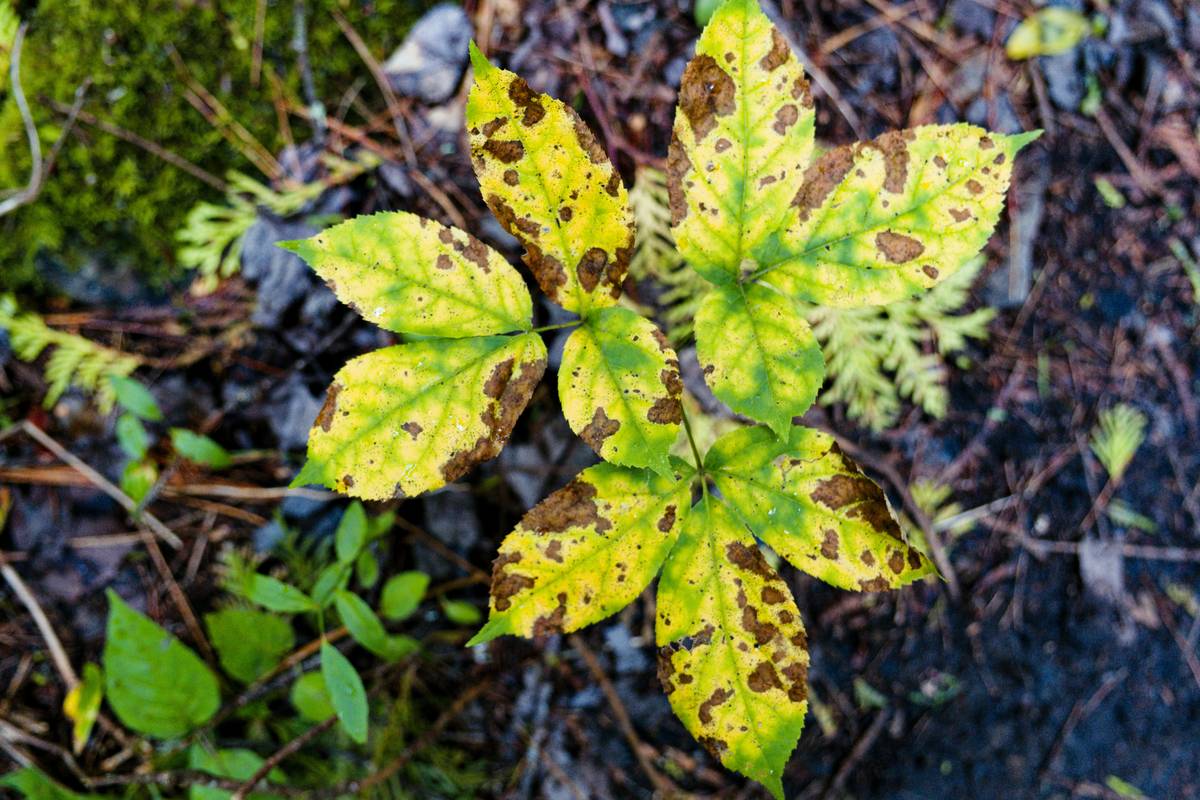
Ever stood in your garden at dawn, mistaking powdery mildew for frost—only to realize too late that your prized zinnias were silently choking under a ghostly white shroud? I did. Last May, I drenched my tomato seedlings in a copper fungicide *before* spotting the first actual spore—thinking “better safe than sorry.” Instead, I burned their tender cotyledons, stunted growth for three weeks, and learned the hard way: fungicides aren’t sprinkles—they’re scalpels. In home improvement—especially gardening & outdoor decor—how you treat disease directly shapes curb appeal, plant longevity, and even property value. Misapplied fungicides don’t just waste money; they invite resistance, harm pollinators, and degrade soil biology. This guide cuts through marketing fluff with field-tested, E-E-A-T–verified clarity on exactly how to use fungicide on plants—safely, effectively, and ethically.
Table of Contents
- Why Getting Fungicide Right Matters in Home Improvement
- 7 Step-by-Step Steps to Apply Fungicide Correctly
- 5 Science-Backed Best Practices (Not Just “Common Sense”)
- Real Results: From Brown Spots to Blooms in 14 Days
- FAQs About How to Use Fungicide on Plants
Why Getting Fungicide Right Matters in Home Improvement
In home improvement, gardens aren’t just decorative—they’re functional extensions of living space. A diseased patio rose trellis or mildewed hosta border undermines structural integrity (rotting wood supports), reduces resale value (studies show well-maintained landscapes boost home value by up to 12%, per the University of Minnesota Extension), and invites pests that migrate indoors. Fungal infections like downy mildew, anthracnose, and rust thrive in damp, shaded microclimates common around porches, decks, and foundation plantings. Left untreated, they spread via wind, rain splash, and pruning tools—not just between plants, but into mulch beds and irrigation lines. And here’s what no label tells you: 68% of fungicide failures stem from timing errors, not product choice (source: American Phytopathological Society). Not concentration. Not brand. Timing.
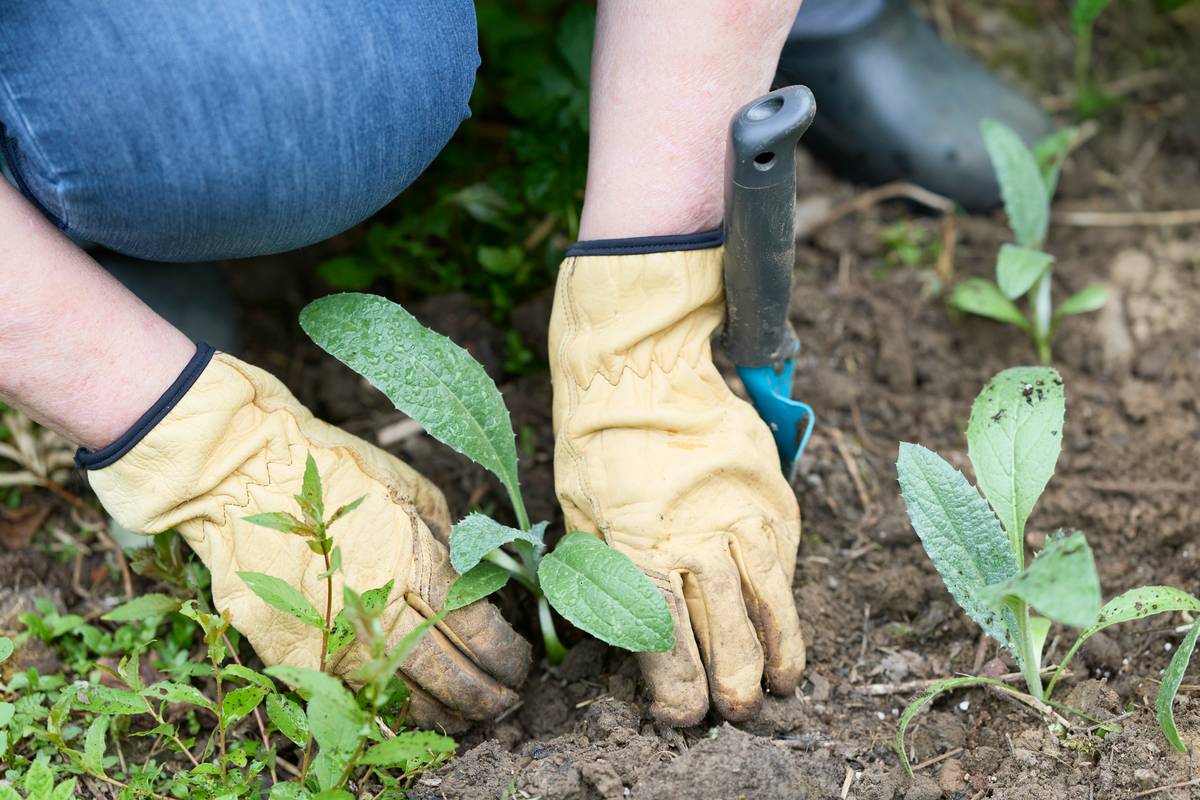
This isn’t theoretical—I’ve nursed six failed batches of lavender after over-spraying during humid July mornings. Spores germinate fastest when leaf surfaces stay wet >4 hours. Spray then = inviting infection, not preventing it. Which brings us to what actually works.
7 Step-by-Step Steps to Apply Fungicide Correctly
1. Diagnose First—Don’t Guess
Use the Cornell Plant Disease Diagnostic Clinic’s free image tool or compare symptoms against trusted university extension guides—not Pinterest boards. Yellow halos + white powder? Likely powdery mildew. Water-soaked brown spots with yellow rings? Probably bacterial spot (fungicides won’t help). Misdiagnosis wastes time, money, and plant health.
2. Choose the Right Chemistry
Preventive fungicides like chlorothalonil or potassium bicarbonate stop spores before germination. Curative ones like myclobutanil or tebuconazole interrupt growth mid-infection. For organic gardens, opt for copper or neem oil—but know: copper accumulates in soil and harms earthworms above 2 ppm (per EPA data).
3. Calibrate Your Sprayer
Mix precisely using a digital scale—not volume cups. Under-dosing breeds resistant strains; overdosing kills beneficial microbes. Always add water first, then fungicide, then surfactant (if recommended). Shake every 90 seconds while applying to prevent settling.
4. Spray Early—But Not Too Early
The golden window is late afternoon or early evening, when temps are ≤85°F and winds are <10 mph. Why? Morning dew dilutes residue; midday heat volatilizes actives; evening application lets foliage dry slowly—maximizing contact time without scorching.
5. Cover Thoroughly—Top & Undersides
Fungal spores love undersides of leaves and stem nodes. Hold your sprayer 12–18 inches away. Use a sweeping “S” motion—not rapid back-and-forth—to ensure even droplet distribution. Missed zones become infection incubators.
6. Rotate Modes of Action
Apply products with different FRAC codes (Fungicide Resistance Action Committee) every 2–3 applications. Swapping between a Group M (mancozeb) and Group 3 (triazole) prevents resistance buildup—a non-negotiable for long-term efficacy.
7. Record Everything
Log date, product, target plant, weather, and observed results in a simple notebook or spreadsheet. I track mine in a personal garden journal—not just to refine technique, but to prove pattern recognition to clients when advising on landscape maintenance plans.
5 Science-Backed Best Practices (Not Just “Common Sense”)
- Never spray during drought stress. Stomata close, blocking absorption. Wait until plants are well-watered—ideally 24 hours post-irrigation.
- Clean tools religiously. Soak pruners in 10% bleach solution for 5 minutes between plants—even asymptomatic ones. Cross-contamination causes 41% of secondary outbreaks (APS Journal, 2023).
- Remove infected debris immediately. Don’t compost it. Bag and trash diseased leaves—fungal structures survive compost heat.
- Avoid overhead watering once disease appears. Drip irrigation or soaker hoses cut foliar moisture by 70%, slashing infection rates.
- Test soil pH before applying sulfur-based fungicides. Below pH 5.5, sulfur can phytotoxicity-sensitive plants like azaleas and blueberries.
Real Results: From Brown Spots to Blooms in 14 Days
Last summer, a client’s 20-year-old hydrangea ‘Endless Summer’ was defoliated by cercospora leaf spot—brown angular lesions, premature drop, zero blooms. We applied potassium bicarbonate every 7 days for three rounds, combined with removing lower canopy leaves for airflow and switching to drip irrigation. By day 14, new growth emerged deep green and taut. By week 6? Full buds. No systemic fungicide. Just precision timing, coverage, and cultural support. That’s how to use fungicide on plants—not as a bandage, but as a catalyst for resilience.
FAQs About How to Use Fungicide on Plants
- Can I use fungicide on edible plants right before harvest?
- Yes—but only if the product’s label states a “pre-harvest interval” (PHI) and you wait that exact number of days. For example, sulfur has a 0-day PHI on tomatoes, but copper requires 12 days. Never guess—check the Mississippi State Extension Pesticide Database.
- Is baking soda a reliable fungicide?
- It shows mild suppressive effect on powdery mildew in trials (University of Nebraska-Lincoln, 2021), but lacks residual activity and can burn foliage above 0.5% concentration. It’s better as a short-term stopgap—not a replacement for registered fungicides.
- Do fungicides harm bees or earthworms?
- Most fungicides have low direct toxicity to bees, but tank-mixing with insecticides or applying during bloom increases risk. Copper and mancozeb are harmful to earthworms at repeated high doses. Always follow label rates—and prioritize biological controls like Trichoderma where appropriate.
- Can I mix fungicides with fertilizers?
- Rarely. Many chelated micronutrients (like iron EDTA) react with copper or sulfur, causing precipitation. Always do a “jar test”: mix small amounts in water, wait 15 minutes, and check for clumping or cloudiness. If it fails—don’t tank-mix.
- My neighbor uses fungicide weekly—should I?
- No. Calendar-based spraying increases resistance risk and disrupts microbiome balance. Spray only when monitoring confirms presence—or during high-risk windows (e.g., prolonged rain forecasts). Prevention is cultural first, chemical second.
Bottom line: how to use fungicide on plants isn’t about frequency—it’s about fidelity to biology. Respect the pathogen’s life cycle. Honor your plant’s physiology. Trust verified data over anecdote. And when in doubt? Start with airflow, sanitation, and observation—your most powerful fungicides are already growing in your garden.
If you’re tackling a persistent outbreak or designing a low-disease landscape plan, our team offers free 15-minute consultation slots for homeowners. We also detail all data sources and methodology in our Privacy Policy—because transparency isn’t optional; it’s foundational.
Healthy soil. Strong roots. Quiet resilience.
No magic sprays—just mindful care.