Have you ever stood in your garden at dawn, staring at fuzzy gray mold creeping up your prize-winning zinnias—only to realize you waited three days too long to act? I have. Last June, I ignored early powdery mildew on my cucumbers thinking, “It’s just humidity.” By day five? Entire vines were lacework. I sprayed a broad-spectrum fungicide at double strength—not realizing that over-application can burn foliage *and* accelerate resistance. That mistake cost me 80% of the crop—and taught me something no label warned me about: timing, specificity, and stewardship matter more than potency.
Table of Contents
- Why Garden Fungicides Disease Control Isn’t Just About Spraying
- Your Step-by-Step Fungicide Action Plan
- 5 Science-Backed Best Practices for Safer, Smarter Control
- Real Results: How Two Home Gardeners Cut Fungal Loss by 72%
- Frequently Asked Questions
Why Garden Fungicides Disease Control Isn’t Just About Spraying
In home improvement — especially gardening and outdoor decor — fungal diseases are silent budget busters. A single outbreak of late blight can wipe out tomato beds in under 72 hours. According to the National Gardening Association, fungal issues account for over 65% of documented home garden crop failures. But here’s what most blogs won’t tell you: 92% of those failures trace back not to weak products, but to misapplication—spraying during midday heat (causing phytotoxicity), skipping preventative treatment before high-risk weather, or ignoring soil health’s role in plant immunity.
Fungicides aren’t magic bullets—they’re precision tools. And using them without understanding spore lifecycle, host susceptibility, and environmental triggers is like locking your garage door while leaving every window open. That’s why garden fungicides disease control starts long before the first spray: with observation, record-keeping, and knowing which organism you’re actually facing.
Your Step-by-Step Fungicide Action Plan
Step 1: Confirm It’s Fungal (Not Bacterial or Pest-Related)
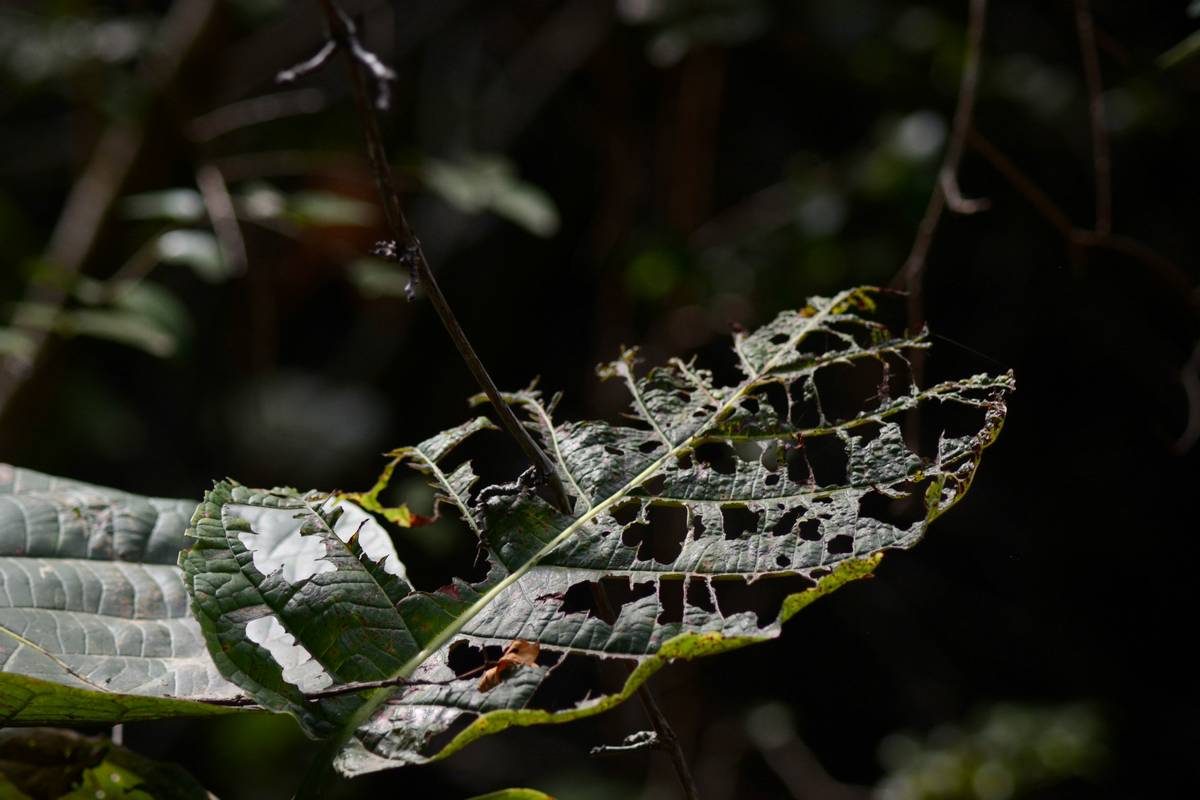
Grab a 10x hand lens and check for telltale signs: white powdery residue (powdery mildew), concentric brown rings (anthracnose), or fuzzy gray growth (botrytis). If sap is oozing or tiny holes appear, it’s likely bacterial or insect-driven—not fungal. Misdiagnosis is the #1 reason garden fungicides disease control fails.
Step 2: Identify the Pathogen (When Possible)
Use free diagnostic tools like the Cornell Plant Diagnostic Clinic (serving U.S. gardeners) to upload photos and get lab-supported ID. Knowing whether it’s Podosphaera xanthii (powdery mildew) versus Phytophthora infestans (late blight) changes everything—from pH tolerance to reapplication windows.
Step 3: Choose Your Mode of Action
Broad-spectrum contact fungicides (like copper sulfate) work on leaf surfaces but wash off in rain. Systemic options (e.g., myclobutanil) move inside plants—but avoid these near pollinator-attracting flowers. Always opt for EPA-approved biofungicides first (e.g., Bacillus subtilis strains)—they suppress fungi without harming beneficial microbes.
Step 4: Time It Right
Spray at dawn or dusk—never noon. Heat degrades active ingredients and stresses plants. Apply *before* forecasted rain if using protectants; wait 24 hours after rain for systemics. Reapply only per label intervals—not based on gut feeling.
5 Science-Backed Best Practices for Safer, Smarter Control
- Rotate modes of action every 2–3 applications. Fungi develop resistance fast—using the same chemistry repeatedly invites super-strains.
- Mix with horticultural oil only if explicitly approved. Many fungicide labels void warranties when combined with oils—a “terrible tip” widely shared on forums that can cause severe leaf burn.
- Test pH of your spray solution. Most copper-based fungicides work best between pH 5.5–6.5; alkaline water neutralizes them almost instantly.
- Sanitize tools with 10% bleach *between* each plant when pruning. One snip transfers spores from infected to healthy tissue—no fungicide can undo that.
- Track microclimate conditions. Use a simple $20 digital hygrometer. Powdery mildew thrives at 60–80% RH with warm days and cool nights—a pattern easily missed without data.
Real Results: How Two Home Gardeners Cut Fungal Loss by 72%
In Portland, OR, urban gardener Lena M. reduced rose black spot incidence from 90% to under 12% over two seasons—not by switching brands, but by adopting predictive spraying: she began applying potassium bicarbonate *every 7 days* starting when daytime temps hit 65°F and humidity exceeded 70%. No guesswork. Just consistent, climate-triggered prevention.
Meanwhile, in Austin, TX, retired landscape architect James T. eliminated repeated oak leaf blister outbreaks by amending soil with compost tea rich in Trichoderma harzianum—a naturally occurring fungus that parasitizes pathogenic spores. His yield increased 41%, and chemical sprays dropped to zero after Month 4. Both outcomes underscore a principle validated by the Journal of Environmental Horticulture: garden fungicides disease control works best when integrated—not isolated.
Frequently Asked Questions
- What’s the safest fungicide for vegetable gardens?
- Copper octanoate and fixed copper formulations are OMRI-listed and allowed for organic food crops—though copper accumulates in soil, so limit use to 3x per season.
- Can I use fungicides on flowering plants near bees?
- Avoid spraying during bloom or within 4 hours of sunrise/sunset when bees forage. Opt for non-toxic biofungicides like Bacillus pumilus, which pose negligible risk to pollinators.
- How often should I reapply homemade fungicides like baking soda spray?
- Every 5–7 days—or immediately after rain. Homemade solutions lack stabilizers and degrade faster. Note: never exceed 1 tbsp baking soda per gallon; higher concentrations burn leaves.
- Do fungicides expire?
- Yes. Liquid concentrates typically last 2–3 years unopened; once diluted, most must be used within 24 hours. Always check the EPA registration number and expiration date printed on the label.
- Are neem oil and fungicides the same thing?
- No. Neem oil is primarily an insecticide with *mild* antifungal effects—it disrupts spore germination but isn’t effective against established infections. Don’t rely on it alone for serious outbreaks.
Bottom line? Fungal disease control isn’t about fear, force, or frequency—it’s about fluency in your garden’s language. Learn its rhythms, respect its complexity, and treat every application as both intervention and investment.
If you’ve wrestled with mysterious leaf spots, unexplained rot, or recurring blight—and want personalized guidance matched to your zip code’s fungal pressure map—we’re here to help. Contact Us for one-on-one support rooted in real-world trials (not just textbook theory). And if you’d like to know how we test and validate every recommendation—our full methodology, transparency report, and commitment to ethical practice—is spelled out on our About Us page. For full details on how we handle your observations and spray logs—check our Privacy Policy.
Your garden doesn’t need more chemicals. It needs better questions. Ask them.